In the fast-paced world of food distribution, pharmaceutical logistics, and fresh produce supply chains, temperature control is not a luxury—it is a lifeline. Every year, billions of dollars worth of perishable goods are lost globally due to improper temperature management. From fresh fruits and vegetables to dairy products, vaccines, and flowers, the margin between profit and loss often comes down to a single degree Celsius.
This is where Chilled Storage becomes indispensable. Unlike freezing storage, which maintains temperatures below zero to transform water into ice, chilled storage operates in a carefully controlled range typically between +1°C and +8°C—slowing bacterial growth and extending shelf life without damaging cellular structures.
As Saudi Arabia strengthens its position as a regional logistics hub under Vision 2030, the demand for cold storage and logistics facility construction has increased significantly. From the Red Sea gateway of Jeddah to the industrial powerhouse of Dammam, reliable chilled storage is the backbone of modern supply chains. This guide explores the unique requirements of these two critical hubs and demonstrates why Units stands as the Kingdom’s top chilled storage provider.
Chilled Storage: Understanding the Science and Standards
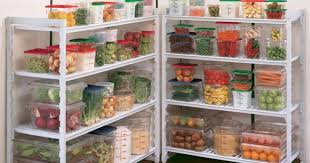
The term Chilled Storage refers to specialized environments designed to maintain temperatures above freezing but significantly lower than ambient conditions. The chilled temperature range typically falls between +1°C and +8°C, with specific products requiring narrower bands. For example, fresh meat is best stored at +1°C to +2°C, fresh produce at +4°C to +6°C, and dairy products at +2°C to +4°C.
The Science Behind Chilled Storage
The science of chilled storage revolves around two principles: temperature control and humidity management. Lower temperatures slow enzymatic reactions and microbial growth, while proper humidity—usually 80% to 95% for produce—prevents dehydration and wilting.
Units’ chilled warehouses are ideal for dairy products, juices, ready-to-eat meals, perfumes and skincare products, health supplements, and temperature-sensitive raw materials. With fully integrated cooling systems for stable temperatures and advanced humidity control, Units ensures product integrity throughout the storage period.
Critical Infrastructure Components
A professional chilled storage facility requires several key systems working in harmony. The insulation and refrigeration systems must maintain precise temperatures without fluctuation, as even minor deviations can compromise product quality. Modern facilities use industrial-grade refrigeration units from global leaders with automatic redundancy switching to ensure zero downtime.
Units’ chilled storage facilities feature advanced humidity and air quality control, 24/7 surveillance for maximum security, and are fully certified by the Saudi Food and Drug Authority (SFDA). This certification is essential for any business handling food or pharmaceutical products in the Kingdom.
Chilled Storage in Jeddah: The Red Sea Gateway
Jeddah, the gateway to the Two Holy Mosques and Saudi Arabia’s busiest port city, presents unique challenges for Chilled Storage in Jeddah. As the primary entry point for imported perishable goods, Jeddah requires robust cold chain infrastructure capable of handling the demands of coastal conditions.
Unique Environmental Challenges
The Jeddah region experiences high humidity from the Red Sea, which can cause condensation, ice buildup on evaporators, and accelerated corrosion on refrigeration equipment. The salt-laden air typical of port cities adds another layer of complexity, requiring marine-grade materials and protective coatings for all exposed components.
Salehiya, a leading logistics provider, operates state-of-the-art distribution centers across Jeddah with fully equipped warehouses featuring specialized zones for product labeling and packing. Their cold chain capabilities range from ambient to -80 degrees Celsius, with temperature-controlled zones maintaining optimal conditions at +2 to +8 degrees Celsius.
Strategic Infrastructure Developments
Jeddah’s importance as a logistics hub has been reinforced by major infrastructure investments. Almunajem Cold Stores, with 60 years of experience, manages cold stores across multiple regions including Jeddah, with a fleet of over 900 vehicles equipped with advanced freezing and chilling units and holding HACCP and ISO 9001-2000 certifications.
Market Demand and Local Expertise
For businesses operating in Jeddah—from seafood importers and fruit distributors to pharmaceutical companies serving Makkah and Madinah—reliable chilled storage is non-negotiable. Ports receive reefer containers daily, and goods must transfer quickly to temperature-controlled warehouses to maintain cold chain integrity.
Salehiya’s professionally trained experts—over 300 logistics and supply chain qualified personnel—ensure smooth operation of their distribution network, supported by over 100 temperature-controlled vehicles connected in real-time to their control tower.
Chilled Storage in Dammam: The Eastern Province Hub
Dammam, the capital of Saudi Arabia’s Eastern Province, presents a different set of challenges for Chilled Storage in Dammam. The city faces extreme summer temperatures often exceeding 45°C, combined with periodic Gulf humidity and salt-laden air from nearby industrial zones.
Strategic Importance of the Eastern Province
Dammam’s strategic location at King Abdulaziz Port makes it a vital logistics hub for the Eastern Province and a gateway to other GCC countries. Maersk opened a state-of-the-art cold storage facility at King Abdulaziz Port in Dammam in 2023—a 13,300 sq m facility capable of handling 168,000 pallet positions annually.
As Mohammad Shihab, Managing Director of Maersk Saudi Arabia, noted: “Saudi Arabia is a significant market for us. With more than a fifth of the country’s food imports coming through King Abdulaziz Port in Dammam, we wanted to establish a state-of-the-art cold storage facility”.
World-Class Standards and Sustainability
Maersk’s Dammam facility is equipped with world-class temperature and humidity control standards, ensuring minimum to no food wastage during storage. Customers receive complete visibility on these parameters, creating transparent and trusted operations.
The facility will primarily serve frozen commodities such as poultry, meat, vegetables, confectionary, and processed food, as well as chilled cargo such as dairy products and seasonal fruits. An on-site solar panel plant will generate at least 15% of power requirements, and an on-site water treatment plant eliminates carbon emissions from water transport trucks.
Industry Presence in Dammam
The Eastern Province benefits from the presence of major cold chain operators. Almunajem Cold Stores operates branches across the Eastern Province including Dammam and Al-Ahsa. Salehiya maintains facilities in Dammam with the same GDP-certified, temperature-controlled capabilities found in their other locations.
For businesses serving the Eastern Province—from dairy distributors and cold-pressed juice manufacturers to hospital supply chains and hotel groups—chilled storage facilities must offer precise temperature control, robust backup systems, and strategic location near major highways.
Industry Trends and Vision 2030 Alignment
The Saudi Arabia cold chain market is experiencing significant growth due to increasing demand for temperature-sensitive products. AJEX has opened Saudi Arabia’s first GMP-GxP compliant logistics depot in Riyadh, featuring a 2-8°C chamber for refrigerated biologics, vaccines, and temperature-sensitive drugs, as well as a dedicated -20°C chamber for frozen cell therapies.
SFDA Compliance and Temperature Standards
The Saudi Food and Drug Authority (SFDA) enforces stringent regulations for the transportation and storage of chilled and frozen foods. Units’ chilled storage warehouses are fully certified by the SFDA, ensuring compliance with the Kingdom’s strict regulatory standards.
According to international standards, key temperature ranges for chilled storage include:
- Pharmaceuticals and Vaccines: +2°C to +8°C
- Dairy Products and Fresh Meat: +2°C to +4°C
- Fresh Produce: +4°C to +8°C
- Chilled Cargo: Variable by product type
Advanced Monitoring and Control
Salehiya’s centralized monitoring system seamlessly links all warehouses and fleet operations in real time to their Logistic Control Tower in Riyadh, with an extensive network of hundreds of cameras and temperature sensors. Their delivery time of 1.1 days across KSA surpasses the market standard of 2 days.
Units: Your Trusted Partner for Chilled Storage Excellence
When the integrity of your perishable products is at stake, you cannot afford guesswork or shortcuts. This is why leading food distributors, pharmaceutical companies, and retailers across Saudi Arabia trust Units as their top company for chilled storage solutions.
Engineered for Saudi Conditions
Units designs and operates purpose-built chilled facilities engineered for maximum performance under Saudi conditions. Their chilled storage chambers feature fully integrated cooling systems for stable temperatures and advanced humidity and air quality control.
SFDA Certification and Compliance
Units’ chilled warehouses are fully certified by the Saudi Food and Drug Authority (SFDA), ensuring compliance with the Kingdom’s strict regulatory standards for food and pharmaceutical storage. This certification is essential under Saudi regulations for transportation and storage of chilled foods.
Security and Monitoring
Units provides 24/7 surveillance for maximum security, with advanced monitoring systems tracking temperature and humidity conditions continuously.
Temperature Zones and Capabilities
Units’ chilled storage ideal for:
- Dairy products, juices, and ready-to-eat meals
- Perfumes, creams, and skincare products
- Health supplements
- Bottled water and temperature-sensitive raw materials
- Art pieces, collectibles, and delicate items
Strategic Locations
Units serves clients in Jeddah and Dammam alongside Riyadh, with warehouses open Saturday to Thursday from 7 AM to 5 PM and 24/7 online platform access. All locations provide easy access to major transportation hubs, ports, and industrial zones.
The Units Digital Platform
Units provides an intuitive online platform allowing clients to access inventory anytime, simplify inbound and outbound processes, conduct audits, generate reports, and monitor temperature conditions remotely.
Don’t let your valuable inventory become another statistic of cold chain failure. Visit units.sa today to explore their facilities, request a quote, or schedule a consultation with one of their chilled storage specialists.
Conclusion
The cold chain is only as strong as its weakest link, and for temperature-sensitive products ranging from fresh produce to life-saving medicines, that link is often the storage facility. Chilled Storage provides the critical environment that slows spoilage, extends shelf life, and protects consumer health.
In Chilled Storage in Jeddah, the high-humidity coastal environment and major port activities require facilities with enhanced dehumidification, marine-grade corrosion resistance, and rapid receiving protocols—supported by major logistical players like Almunajem Cold Stores and Salehiya.
In Chilled Storage in Dammam, the extreme summer heat and strategic position as a logistics gateway demand world-class facilities. Maersk’s 13,300 sq m cold storage facility at King Abdulaziz Port, capable of handling 168,000 pallet positions annually, demonstrates the region’s importance.
Across the Kingdom, Units stands as the top company, offering SFDA-certified chilled storage with precise temperature control, advanced humidity management, 24/7 security monitoring, and a comprehensive digital platform for real-time inventory management. Do not let the heat of Arabia compromise your quality. Visit units.sa today and discover why industry leaders trust Units for their most temperature-sensitive inventory.
Frequently Asked Questions (FAQs)
1. What is the temperature range for chilled storage?
Chilled storage typically ranges between +1°C and +8°C. Specific products require narrower ranges: pharmaceuticals and vaccines at +2°C to +8°C, dairy products at +2°C to +4°C, and fresh produce at +4°C to +8°C. Units maintains strict temperature control within these parameters for all stored products.
2. What is the difference between chilled storage and frozen storage?
Chilled storage maintains temperatures above freezing (+1°C to +8°C), which slows bacterial growth without freezing the product, preserving cellular structure. Frozen storage operates at -18°C or lower, turning water into ice and stopping biological activity almost entirely. Chilled storage is for short-term preservation (days to weeks) of fresh items, while frozen storage is for long-term storage (months to years).
3. Is SFDA certification required for chilled storage in Saudi Arabia?
Yes. Under Saudi regulations, facilities storing chilled and frozen foods must comply with SFDA requirements for transportation and storage. Units’ chilled warehouses are fully certified by the Saudi Food and Drug Authority, ensuring compliance with the Kingdom’s strict regulatory standards.
4. What chilled storage facilities are available in Dammam?
Dammam is home to major cold storage infrastructure including Maersk’s 13,300 sq m facility at King Abdulaziz Port (opened 2023) capable of handling 168,000 pallet positions annually. Almunajem Cold Stores also operates facilities in Dammam, and Units serves clients in the Eastern Province with SFDA-certified chilled storage solutions.
5. How can I monitor my products stored in a chilled warehouse?
Units provides an intuitive online platform allowing clients to access their inventory 24/7, monitor temperature conditions, track stock levels, and generate reports from anywhere. Salehiya similarly uses a centralized monitoring system linking all warehouses and fleet operations to their Logistic Control Tower in real time.