In Pakistan’s fast-growing cities, the pressure on service businesses has never been greater. Populations are dense, foot traffic in banks, hospitals, government offices, and telecom centers is heavy, and customers who once accepted long waits as normal are increasingly unwilling to do so. The result is a quiet revolution in how organizations think about the simple act of making people wait, and the technology that manages it.
Queue management systems and drive-thru solutions have moved from the margins to the mainstream. What began as tools for a handful of premium banks and international chains is now spreading across the service economy, driven by rising expectations and the realization that a well-managed wait is one of the cheapest ways to improve customer satisfaction. This article looks at why that shift is happening and what it takes to get it right.
The Hidden Damage of a Disorganized Wait
Most managers underestimate how much a chaotic line costs them. The visible symptoms are obvious: crowded lobbies, confused customers, and stressed staff. But the deeper damage is harder to see. Customers who leave frustrated rarely file a complaint. They simply do not come back, and they mention the experience to friends and family. Over time, that word of mouth reshapes a location’s reputation without a single formal review being written.
There is also an internal cost. Staff who spend their day managing confused crowds and defusing tension burn out faster and make more mistakes. When people cannot tell where a line begins or how long they will wait, the frustration lands on frontline employees, who absorb it shift after shift. A structured system does not just help customers. It protects the wellbeing and productivity of the team.
How a Modern Queue System Restores Order
A digital queue management system replaces the scramble at the counter with a calm, transparent process. Visitors check in at a kiosk or through a mobile link, select the service they need, and receive a place in a virtual line. From there, clear displays and audio announcements call them forward at the right moment, while the software distributes the workload evenly across every available counter.
For organizations in the capital and other major hubs, adopting a well-designed queue management system in islamabad has become a practical answer to relentless demand. Instead of hiring endlessly to cope with crowds, businesses use intelligent routing to serve more people with the staff they already have. The customer experiences fairness and clarity, and management gains a live view of exactly how the floor is performing at any moment.
The Rise of the Drive-Thru in Local Markets
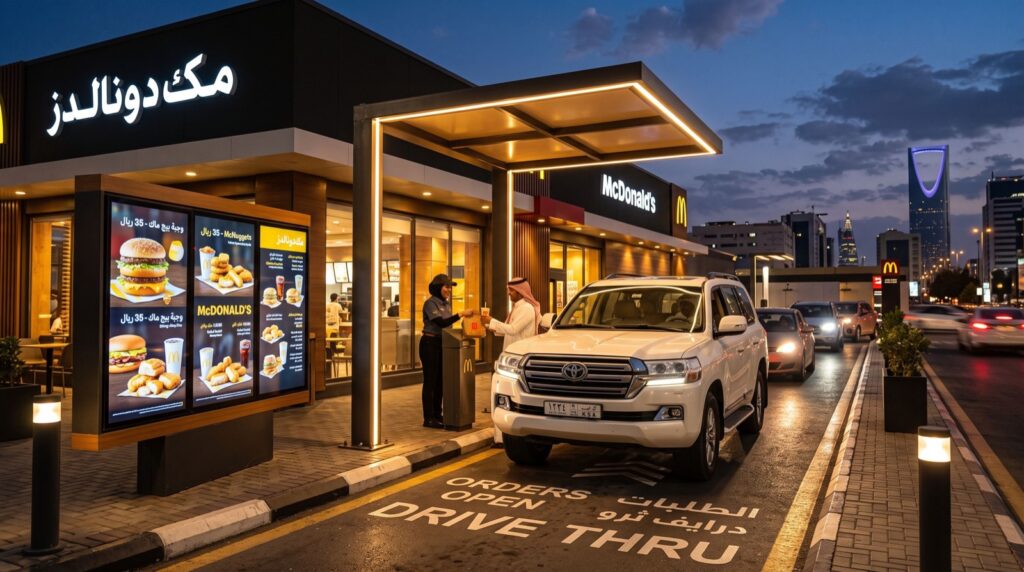
Alongside indoor queues, drive-thru service is expanding rapidly, and not only in fast food. Pharmacies, banks, and even some government-linked services are exploring lane-based models that let customers complete transactions without leaving their vehicles. In busy urban environments where parking is scarce and time is precious, this convenience is a powerful draw.
The technology behind it has matured considerably. Modern Drive Thru Solutions combine headset communication, digital menu and information boards, order confirmation displays, and detailed timing analytics that track how long each vehicle spends at every stage. This lets operators pinpoint slowdowns and keep the lane moving even during the busiest rushes, when a single delayed order can back traffic onto the street outside.
Accuracy, Not Just Speed
It is tempting to judge these systems purely on how fast they move people, but speed without accuracy creates its own problems. A queue that rushes visitors to the wrong counter, or a drive-thru that hands over incorrect orders, simply relocates the frustration. That is why confirmation and clear routing sit at the heart of every good implementation.
When a drive-thru customer sees their order on a screen before paying, errors fall dramatically, along with the costly remakes that follow them. When an indoor visitor is routed to the staff member genuinely equipped to help with their specific need, the interaction is faster and more satisfying. Getting people served correctly the first time is what separates a mature system from a simple ticket machine.
Turning Everyday Transactions Into Insight
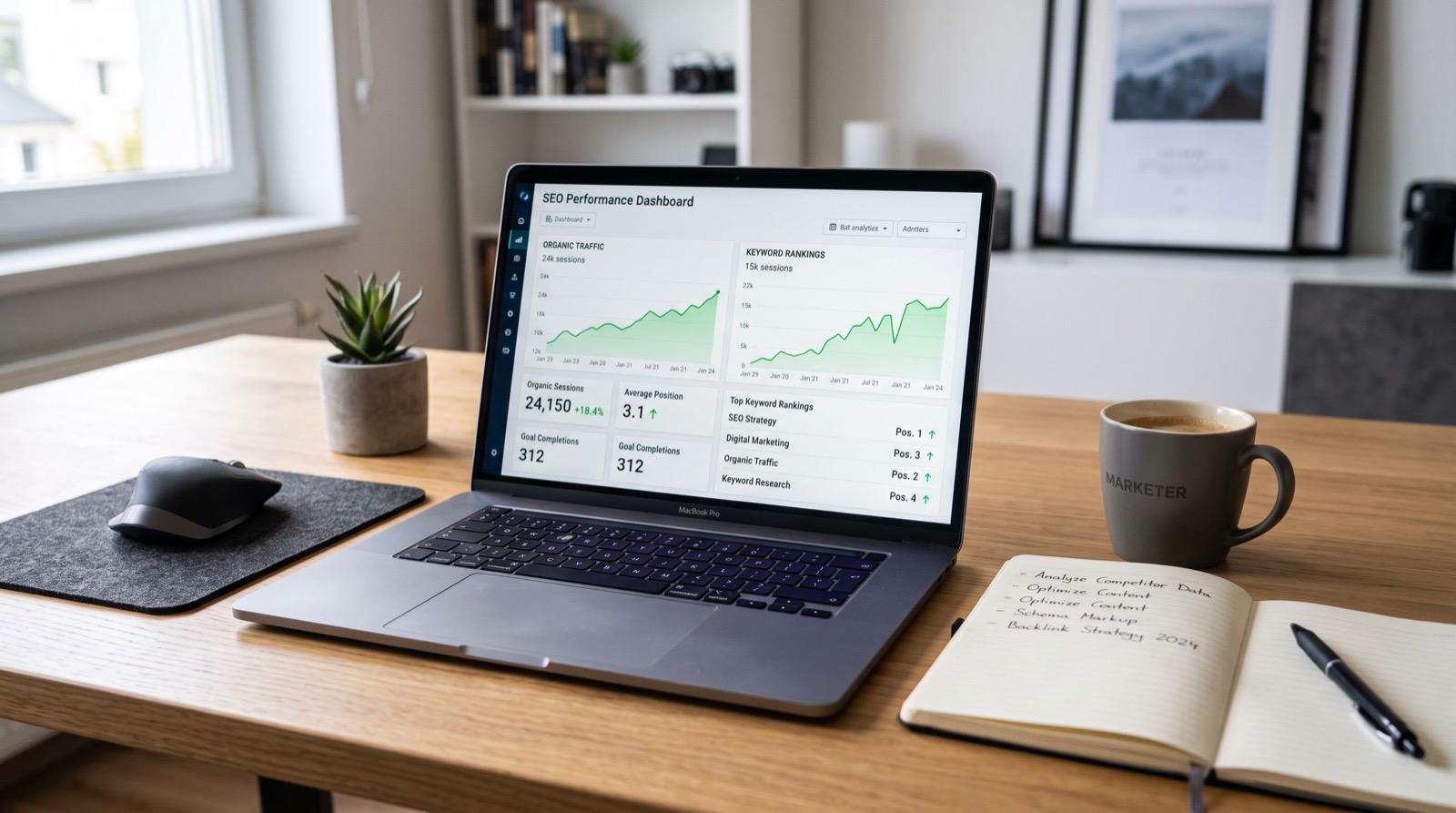
One of the most valuable features of these platforms is invisible to customers entirely. Every check-in, service duration, and lane timing is captured as data, and over weeks that data reveals patterns no manager could spot from the floor. You learn precisely when demand peaks, which services chronically run behind, and where customers tend to give up.
This intelligence transforms planning. Staff schedules can be aligned with real demand rather than assumptions. Branches that underperform can be identified and supported with concrete numbers instead of vague impressions. Layout, hours, and service design can all be refined based on evidence. The queue system quietly becomes a source of operational strategy, not merely a way to organize a line.
Implementation Is Where Success Is Decided
The best platform in the world fails if it is installed carelessly. Staff need training, the configuration has to reflect how the location actually operates, and support must be available when unexpected situations arise in the first weeks. This is why choosing the right partner matters as much as choosing the right software.
Organizations that succeed tend to work with quality service providers who understand local conditions, configure the system around genuine workflows, and remain responsive after the launch. Good partners also help connect the queue or drive-thru platform to appointment booking, digital signage, and feedback tools, so the pieces reinforce one another instead of operating in isolation. That connected approach is what turns technology into a lasting improvement.
Key Takeaways
- Disorganized waits quietly erode reputation and morale, harming both customers and frontline staff.
- Digital queue systems restore order and let businesses serve more people without endlessly expanding headcount.
- Drive-thru technology is spreading beyond fast food into pharmacies, banks, and other high-traffic services.
- Accuracy matters as much as speed, since serving people correctly the first time defines a mature system.
- Thoughtful implementation and a capable local partner ultimately decide whether the investment pays off.
The Path Forward
As Pakistan’s service sector modernizes, the organizations that thrive will be those that treat their customers’ time as a resource worth protecting. Queue management and drive-thru technology give them a practical, scalable way to do exactly that, turning the everyday friction of waiting into an opportunity to impress. The investment is modest compared to the loyalty it earns, and in markets this competitive, the businesses that respect their customers from the first moment of arrival will be the ones that keep them coming back.